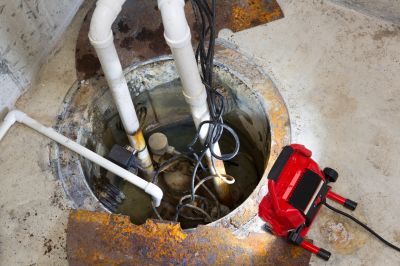
Basement Drainage Installation in Boston, MA
Basement drainage installation services involve setting up systems to manage excess water and prevent flooding or water damage in basement areas. These projects typically include installing sump pumps, drain tiles, or waterproof barriers to redirect groundwater away from the foundation. Homeowners often seek this service when experiencing persistent basement moisture, water seepage, or planning renovations that require a dry and stable space below ground level. Understanding the specific needs of the property, such as soil conditions and existing drainage issues, can help determine the most effective solution for maintaining a dry basement environment.
Before requesting basement drainage installation, property owners should consider the scope of the project, including the size of the basement and the severity of water problems. It’s helpful to know if there are existing drainage systems in place and whether structural modifications are necessary. Additionally, understanding the local climate and seasonal weather patterns can influence the type of drainage system recommended. Clear information about the basement’s current condition and any previous water issues will assist in designing an effective and long-lasting drainage solution.
Many property owners in Boston, MA look into Basement Drainage Installation for repairs, replacements, upgrades, and appearance-related improvements.
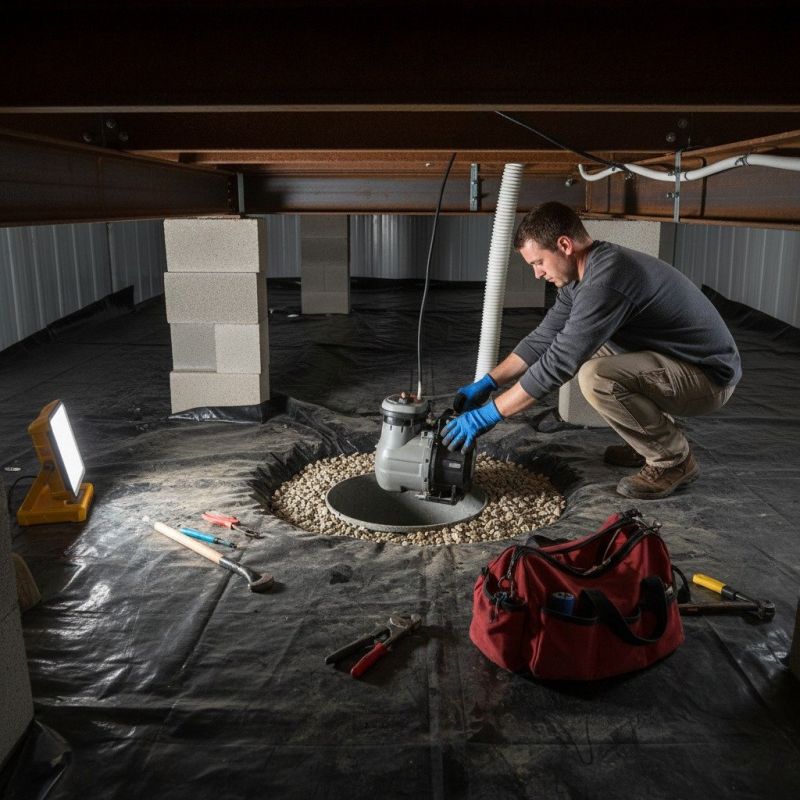
Proper Drainage Solutions
Installing effective basement drainage systems helps prevent water intrusion and property damage.
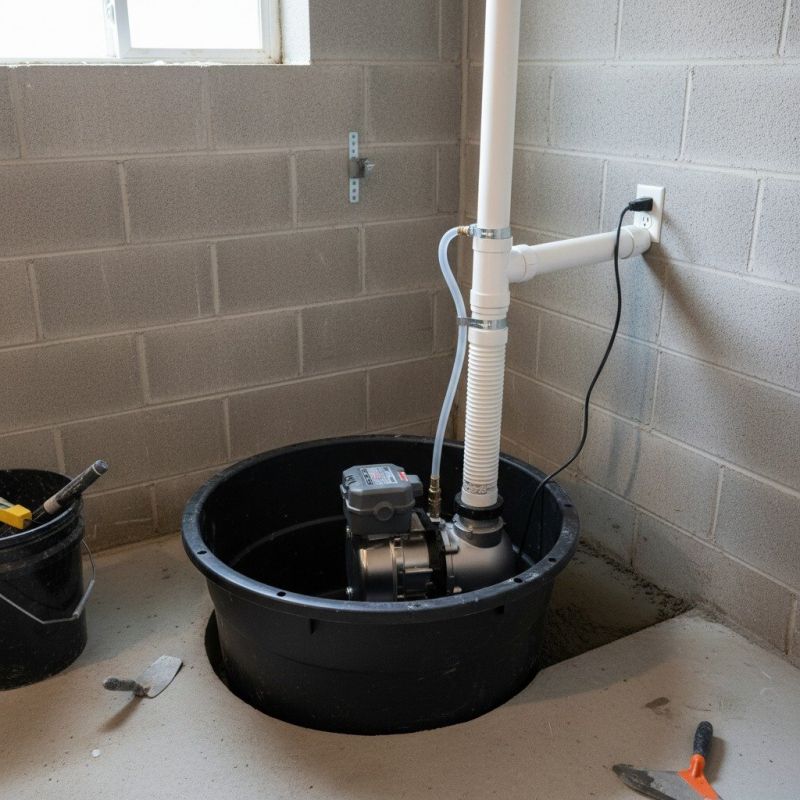
Water Management Strategies
Strategic drainage installation directs excess water away from foundations, especially during heavy boston storms.
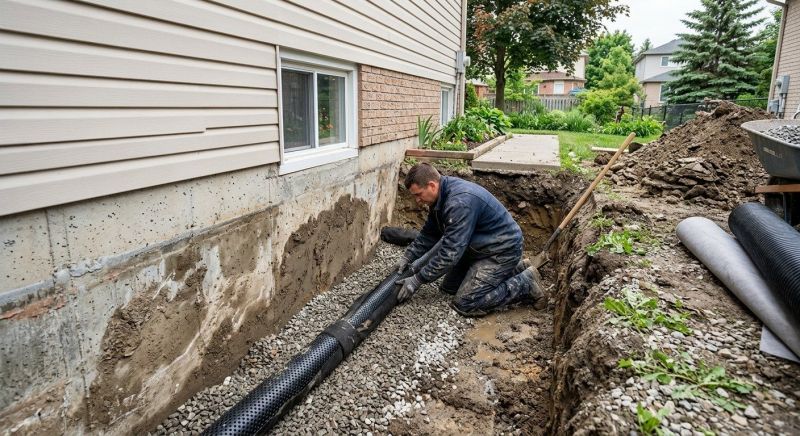
Foundation Protection
Effective basement drainage helps maintain a dry, stable foundation for long-term property safety.
Basement Drainage Installation in Boston, MA
Basement drainage installation services involve setting up systems to manage excess water and prevent flooding or water damage in basement areas. These projects typically include installing sump pumps, drain tiles, or waterproof barriers to redirect groundwater away from the foundation. Homeowners often seek this service when experiencing persistent basement moisture, water seepage, or planning renovations that require a dry and stable space below ground level. Understanding the specific needs of the property, such as soil conditions and existing drainage issues, can help determine the most effective solution for maintaining a dry basement environment.
Before requesting basement drainage installation, property owners should consider the scope of the project, including the size of the basement and the severity of water problems. It’s helpful to know if there are existing drainage systems in place and whether structural modifications are necessary. Additionally, understanding the local climate and seasonal weather patterns can influence the type of drainage system recommended. Clear information about the basement’s current condition and any previous water issues will assist in designing an effective and long-lasting drainage solution.
Many property owners in Boston, MA look into Basement Drainage Installation for repairs, replacements, upgrades, and appearance-related improvements.
Common Basement Drainage Installation Jobs
Basement drainage systems - designed to prevent water from accumulating and causing flooding.
Interior drain tile installation - helps direct water away from basement walls to reduce moisture buildup.
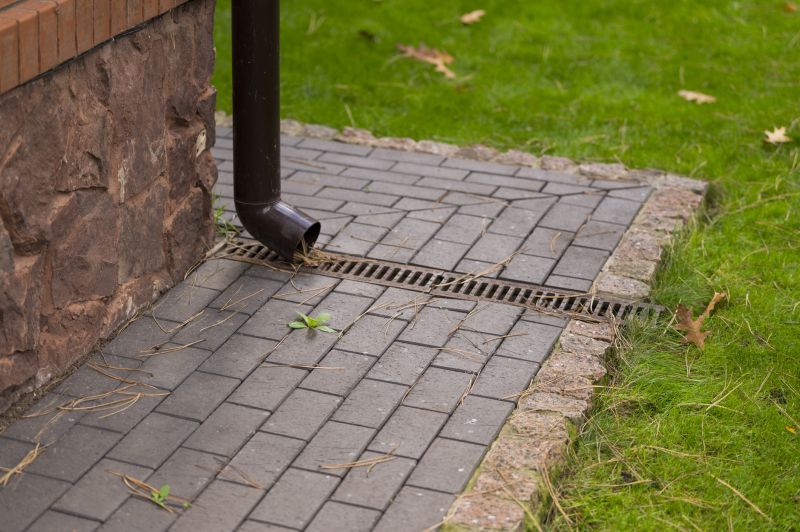
Exterior drainage solutions - improve yard grading and install drain pipes to divert runoff away from the foundation.
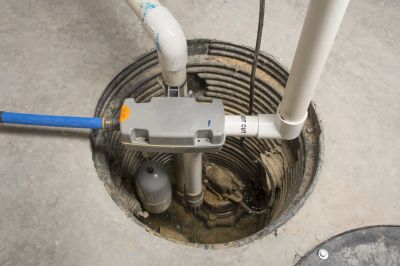
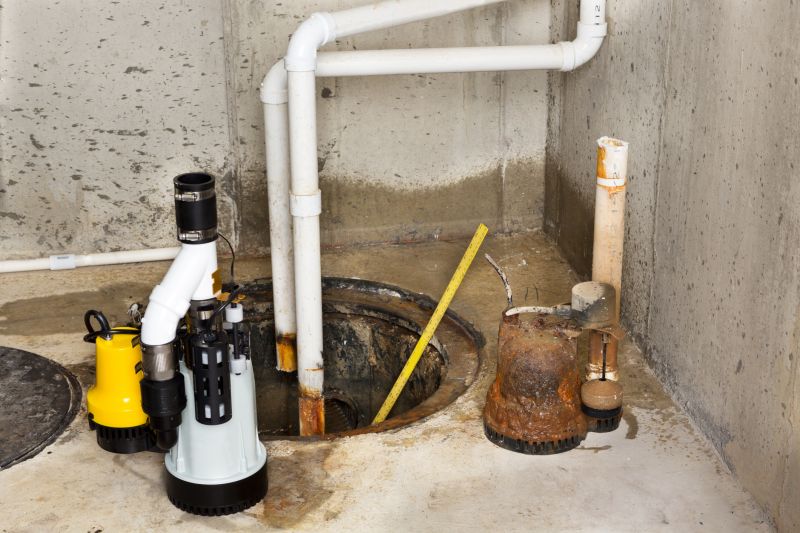
Sump pump installation - provides automatic removal of water that enters the basement to prevent water damage.
French drain systems - install underground channels to manage excess groundwater effectively.
Waterproofing barriers - apply sealants and membranes to keep basements dry and protect against leaks.
Basement Drainage Installation Questions
What is basement drainage installation? It involves setting up systems to direct water away from the basement to prevent flooding and moisture issues.
What types of drainage systems are commonly installed? Common options include exterior drain tiles, interior sump pumps, and French drains to manage water effectively.
Why is proper drainage important for basements? Effective drainage reduces the risk of water intrusion, mold growth, and structural damage caused by excess moisture.
How can I tell if my basement needs drainage improvements? Signs include standing water, damp walls, mold growth, or a musty odor in the basement area.
Request Basement Drainage Installation in Boston, MA
Use the quote form on this page to share the basics of your project and request more information for the type of work you need.